

Introduction
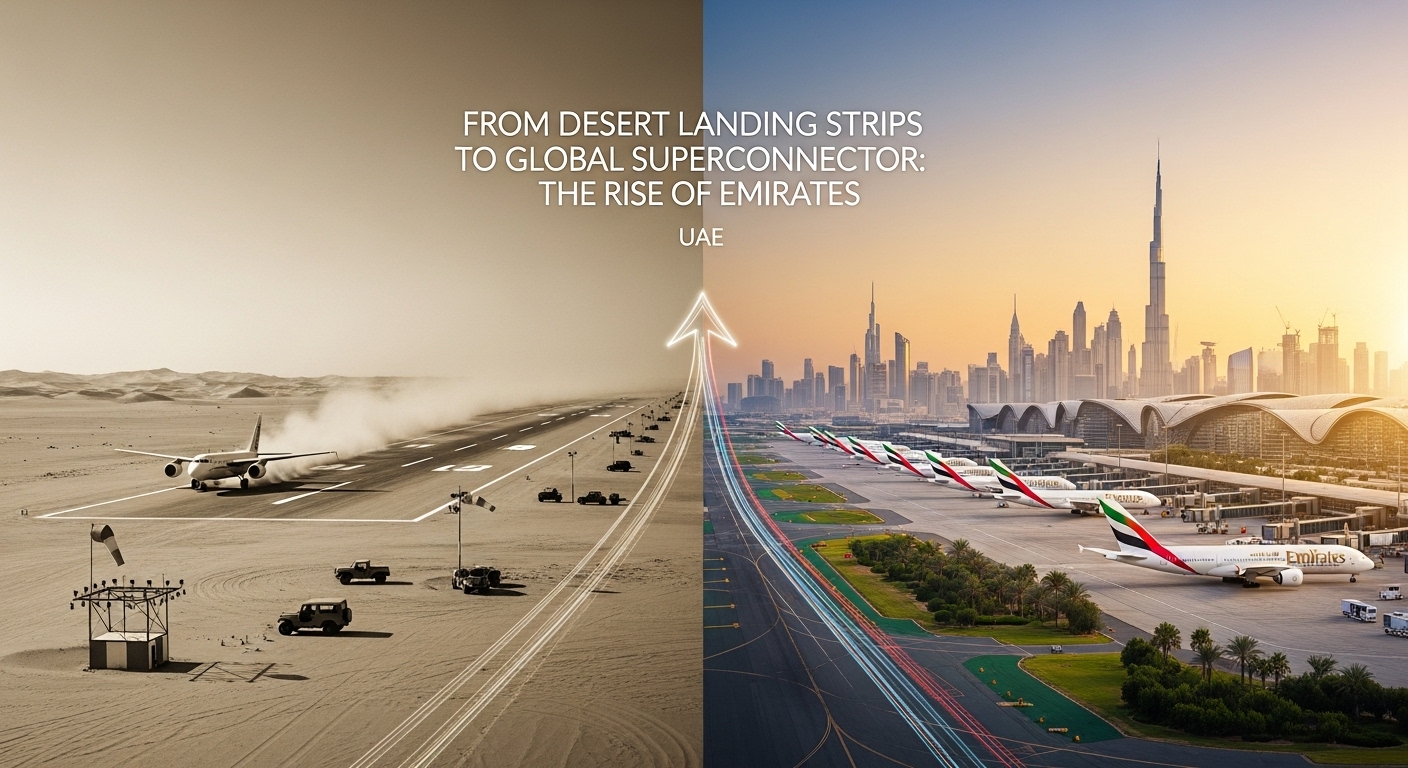
The story of Emirates is not merely the corporate history of an airline; it is a central pillar in the modern mythology of Dubai itself. From its audacious beginning in 1985 with two leased aircraft to its current status as the world’s largest international carrier, Emirates’ trajectory mirrors that of its home emirate: ambitious, rapid, and defiantly global. It is a tale of visionary leadership that saw the airplane not just as a vehicle for passengers, but as a strategic instrument for economic diversification, global integration, and nation-building. This article chronicles the rise of Emirates, exploring how a small airline born from a crisis became a “superconnector” that reshaped global travel and cemented Dubai’s place on the world map.
History
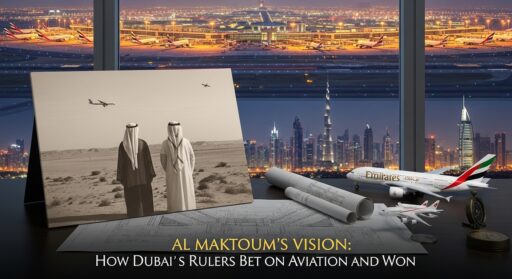
The genesis of Emirates was both opportunistic and brilliant. In 1985, Gulf Air, then the primary carrier for the region, abruptly cut its services to Dubai. Rather than see this as a setback, Sheikh Ahmed bin Saeed Al Maktoum, the chairman of Dubai’s Department of Civil Aviation, saw a void that needed to be filled. With an initial investment of $10 million from the Dubai royal family, Emirates was launched as an independent entity, free from the constraints of a multinational consortium. Its first flight, EK600, took off from Dubai to Karachi on October 25th, 1985, with a leased Boeing 737 and an Airbus A300. From the outset, the airline was run with a sharp, commercial focus, but its mandate was deeply strategic: to put Dubai on the global aviation map and fuel its burgeoning economy.
Key Features
Several key features have defined the Emirates success story:
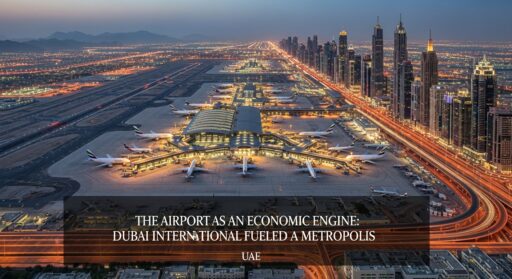
- The Hub-and-Spoke Model: Emirates perfected the model of funneling global traffic through its mega-hub, Dubai International Airport (DXB). By connecting hundreds of cities via a single, state-of-the-art hub, it could offer unparalleled connectivity, especially between the East and West.
- The Fleet Strategy: Emirates bet big on the large, long-haul Airbus A380 and Boeing 777. This “all-wide-body” fleet strategy allowed it to move massive numbers of passengers efficiently and profitably on long-distance routes, achieving economies of scale that competitors struggled to match.
- Luxury as a Standard: Emirates redefined economy and business class travel, but its first-class suites, onboard lounges (on the A380), and industry-leading in-flight entertainment (ICE) became legendary. It positioned itself not just as a mode of transport, but as a luxury experience, attracting high-yield passengers.
- Government Backing and Autonomy: While privately managed, the implicit backing of the Dubai government provided financial stability and the long-term vision necessary for massive fleet orders. Yet, it was run as a commercially driven business, not a state bureaucracy, allowing for agile decision-making.
Cultural Significance
The rise of Emirates had a profound cultural impact on Dubai and the UAE. It became a powerful symbol of national pride and ambition—a homegrown brand that could compete with and beat the world’s best. For Emiratis, it created a prestigious career path beyond the government sector, fostering a sense of professionalism and global competence. For the world, the iconic Emirates logo on the tail of its planes became synonymous with Dubai’s rise, projecting an image of modernity, luxury, and connectivity. It transformed the global perception of the region from a remote desert land to a dynamic, central node in the global network.
Modern Relevance
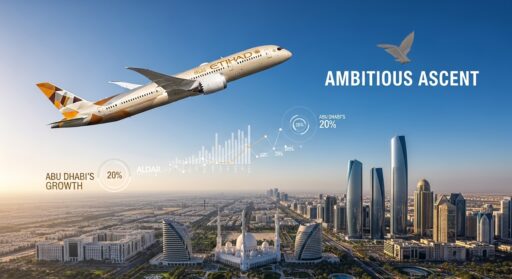
Today, Emirates is far more than an airline; it is a critical piece of national infrastructure and a primary engine of the Dubai economy. It is estimated that Emirates contributes significantly to Dubai’s GDP, supporting hundreds of thousands of jobs in tourism, hospitality, and logistics. Its massive network brings in the tourists that fill hotels, the business travelers that close deals, and the cargo that stocks shelves. Furthermore, its success provided the blueprint and the confidence for the wider UAE aviation sector, including the growth of Etihad and Air Arabia. As the global aviation industry faces challenges like sustainability, Emirates is investing in fleet modernization with more fuel-efficient aircraft and researching Sustainable Aviation Fuel (SAF), ensuring its model remains viable for the future.
Conclusion
The rise of Emirates from a desert startup to a global superconnector is one of the most remarkable business stories of our time. It is a testament to the power of a clear vision, strategic execution, and the courage to bet on globalization. The airline did not just serve Dubai’s growth; it actively propelled it, carrying the emirate’s name and ambition to every corner of the planet. As Dubai continues to evolve, Emirates remains its most powerful and visible ambassador, a wingman to a nation’s destiny, proving that with the right strategy, even a small city-state can become the center of the world.